


2019, Ellen Macarthur Foundation
Rationalisation of Arteriovenous Fistula Surgical Trays: University Hospitals Coventry and Warwickshire NHS Trust
Project Leads: Mr Mohammad Aldaamsah, Sr., Catherine Ancheta, Mr Farhan Ahmad, Mr Muhammad Kama, Dr Hamza Ahmad, Mr. John O’Callaghan, Staff in the Transplantation and Vascular Access Department at University Hospitals Coventry and Warwickshire NHS Trust.
Operating theatres contribute up to 25% of the NHS’s carbon footprint, and while reusable instruments reduce waste, they still generate emissions from sterilisation and packaging. Many instruments in surgical trays are unused, leading to wasted resources and shorter equipment lifespans. Streamlining surgical trays can reduce waste, improve cost-effectiveness, and enhance sustainability while maintaining patient safety and efficiency.
A team from the Transplantation and Vascular Access Department at University Hospitals Coventry and Warwickshire NHS Trust wanted to address the environmental and financial impact of surgical procedures through rationalisation of Arteriovenous Fistula surgical Trays.
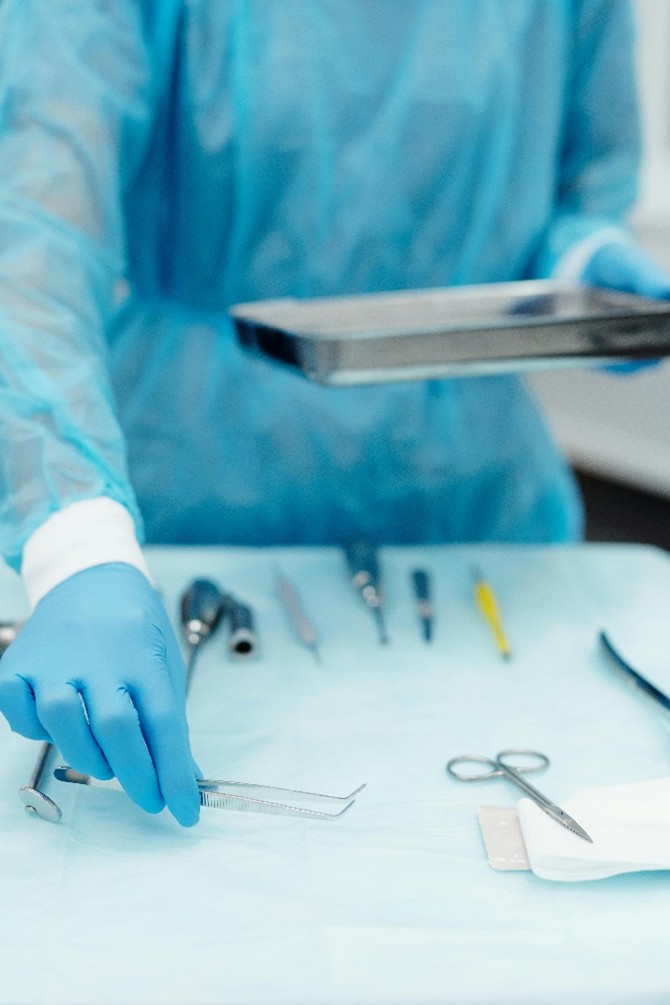
To do this, the team first audited 25 arteriovenous fistula (AVF) surgical cases using a tray tracking form to analyse instrument usage and identify low-use instruments for removal. A heatmap was created to link instrument usage to CO2e for sustainability analysis. Following the analysis, the surgical tray was optimised by reducing its size by 50% and removing 24 instruments. These removed instruments were placed in a backup tray in the stockroom for use if needed. The project team engaged with multidisciplinary staff members, including surgeons, theatre staff and sterilisation departments. Tray updates were finalised in meetings with surgeons, and staff training was provided on the new protocols for primary and back up trays.
The project reduced annual CO2e by 210.98 kg and achieved projected cost savings of £1,348.96 per year. Staff surveys indicated strong support for the initiative, and patient safety was maintained. This data-driven approach addresses inefficiencies and supports the NHS’s net-zero carbon goals. Its success shows potential for use in larger and more complex procedures, fostering long-term sustainable practices.


